
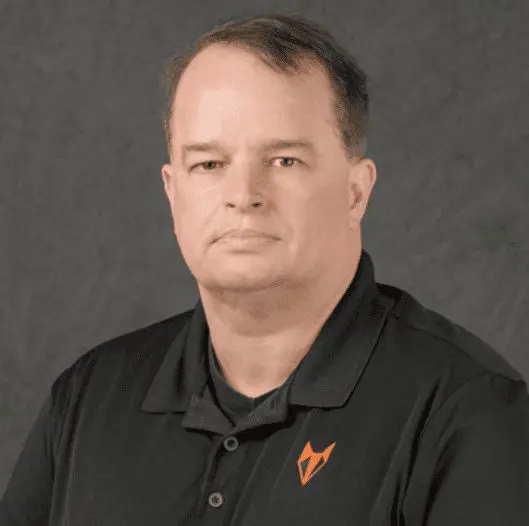
johnallen

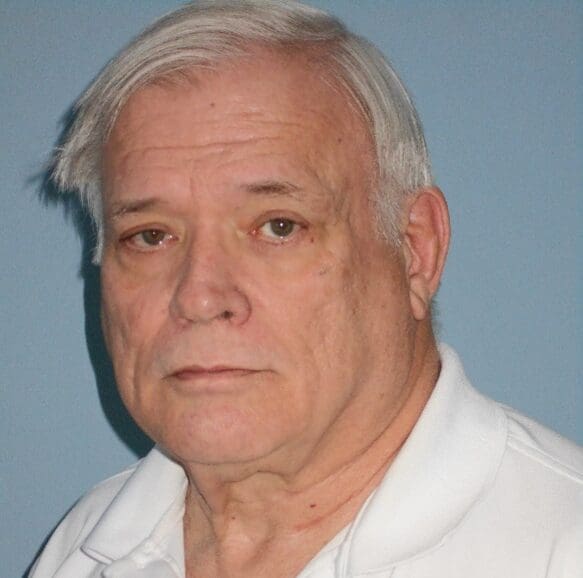
John Allen

Instructor

John is certified to teach Pistol, Rifle, Shotgun, Home Firearm Safety and is a Chief Range Safety Officer.  While teaching shooting classes since 2017 John has had hundreds of students both youth and adults. He is the former shooting sports director for the local Boy Scout Camp and the Scout council shooting sports committee chairman.  With a firm belief of Safety-first and foremost, John works with each student individually to develop their knowledge of firearm safety and use.
George Valentine - Instructor

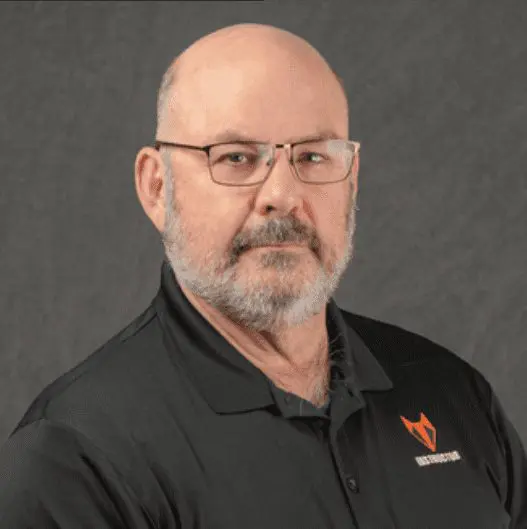
George Valentine

Instructor

George is a certified NRA Pistol instructor who has extensive experience in competitive pistol shooting and is active in local IDPA and USPSA matches. He has been a member of a local church's Safety Team for the last eight years. George has spent his professional life working for a major energy supply company as an Engineering Technical Consultant for the last 36 years.
Michael Brame Headshot

Michael Brame

Instructor

Michael Brame brings nearly a decade of experience in the private security sector, with expertise in private investigations and personal protection services. From 2016 onward, he has built a reputation for professionalism and discretion. As the founder of a security firm specializing in bodyguard services for Virginia politicians, Michael successfully operated his company for three years, delivering high-level protection to public officials. He has held a Concealed Handgun Permit since 2001 and has been a certified NRA Pistol Instructor since 2021, reflecting his ongoing commitment to safety, training, and excellence in the field.
Todd Long - Instructor

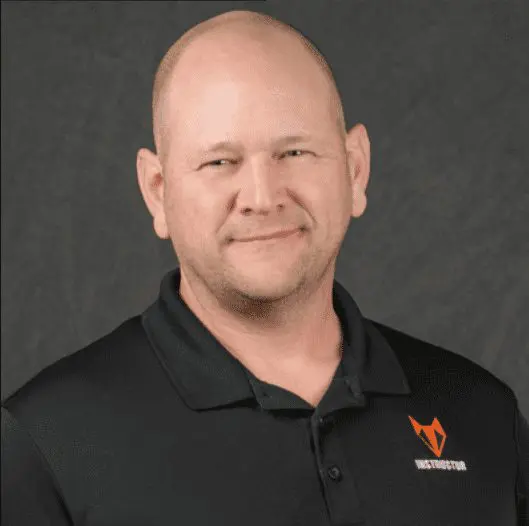
Todd Long

Instructor

Todd is an NRA Range Safety Officer, NRA Pistol Instructor, and has had Crisis Intervention Team training. Todd currently serves as a full-time Professional Firefighter EMT and instructs at the fire academy as well as teaching fire and life safety education for ages five to adult. He earned his Black Belt in Tae Kwon Do and continues to enhance his credentials by furthering his training with many recognized leaders in firearms instruction.

John Kochensparger

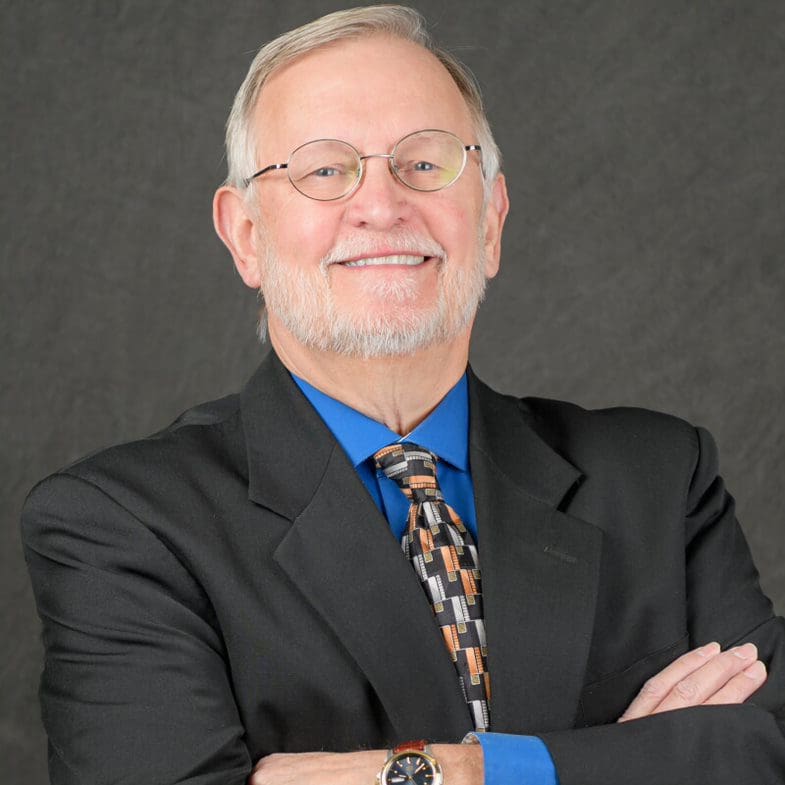
John Kochensparger

Education Director

John Kochensparger has spent his entire career in law enforcement and security since 1973 with more than 21 contiguous years as a school director and trainer in private security services (VA DCJS 88-1190). The other highlights include, in chronological order: 

  • U. S. Army Military Police, 
  • Sergeant, 
  • Investigator and Physical Security Inspector; 
  • Armed security officer as a college student; 
  • Police Officer, City of Alexandria, VA; 
  • National trainer; 
  • Corporate security director Washington, DC; 
  • Electronic security; 
  • Administrator at the VA Department of Criminal Justice Services.

                    PC Hecker - Instructor

                    Philip C. Hecker

                    Director

                    Phillip C Hecker has 20 plus years’ experience in the government and security arena. He is certified as a Pistol, Rifle and Shotgun expert. Is a NRA Certified Instructor, he brings safety to the table while educating you on all levels of defense and situational awareness. As one of the leaders in Situational Awareness development, he brings a level of skill to the table that is rarely experienced in the Self- Protection and Defense arena.

                    HPi Certified Training Academy Blog

                    The Life-Saving Power of First Aid, CPR, and BLS: Training the Mind Before the Hands


                    The Life-Saving Power of First Aid, CPR, and BLS: Training the Mind Before the Hands


                    Emergencies don’t send invitations. They don’t ask if you’re ready, trained, or emotionally prepared. They simply happen at home, in church, at work, in the grocery store, or while pumping gas. In those critical moments, the difference between panic and purpose often comes down to one thing: training.


                    First Aid, CPR, and Basic Life Support (BLS) training are more than certifications. They are tools that shape awareness, build confidence, and develop a mindset rooted in readiness and responsibility.


                    Understanding the True Value of Training


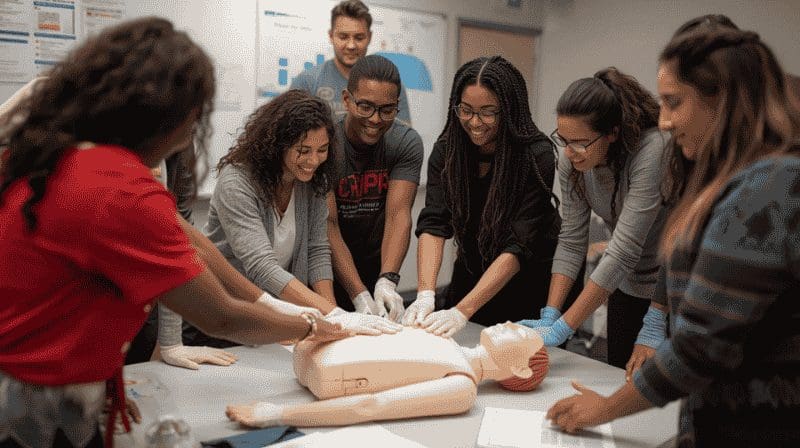
                    First Aid, CPR, and BLS equip individuals with practical skills to respond to medical emergencies such as cardiac arrest, choking, severe bleeding, seizures, strokes, and trauma-related injuries. These skills are designed to bridge the gap between the onset of an emergency and the arrival of advanced medical care.


                    But beyond the physical techniques, training provides something just as important—mental preparedness.


                    When people are trained, they are less likely to freeze, panic, or feel helpless. Instead, they recognize signs, assess situations quickly, and take decisive action. That action can preserve life, prevent further injury, and bring calm to chaos.


                    The Mindset: Knowing What to Do When Seconds Matter


                    One of the greatest benefits of First Aid, CPR, and BLS training is the shift in mindset it creates. Training opens your eyes to the reality that emergencies are not rare events reserved for hospitals or first responders. They happen in everyday life—to people we know and love.


                    Once trained, individuals begin to think differently:


                    • What if someone collapses?

                    • What if a child stops breathing?

                    • What if someone is bleeding severely?


                    This isn’t fear-based thinking—it’s awareness.


                    Training removes the “I wouldn’t know what to do” mentality and replaces it with confidence. Even if the situation is intense, the trained mind understands priorities: scene safety, assessment, calling for help, and initiating care.


                    Preparation Changes Outcomes


                    Many people don’t place themselves mentally in emergency situations until they receive training. Without preparation, it’s easy to assume that emergencies are unlikely or that someone else will step in. Training challenges that assumption.


                    When you prepare yourself:

                    • You become willing to step forward instead of stepping back.

                    • You recognize that you may be the help before help arrives.

                    • You understand that early intervention saves lives.


                    CPR and BLS training, in particular, emphasize how immediate action can double or triple survival rates during cardiac arrest. First Aid training teaches how to control bleeding, stabilize injuries, and prevent conditions from worsening.


                    Preparation doesn’t guarantee perfection—but it drastically improves outcomes.


                    Confidence That Carries Beyond Emergencies


                    The benefits of training extend far beyond medical emergencies. Individuals who are trained often experience:


                    • Increased confidence in stressful situations

                    • Stronger leadership and decision-making skills

                    • A greater sense of responsibility toward others

                    • Improved teamwork and communication


                    This confidence carries into workplaces, volunteer roles, ministries, schools, and families. It creates safer environments and stronger communities.


                    Empowering Communities Through Knowledge


                    When more people are trained in First Aid, CPR, and BLS, communities become more resilient. Emergencies no longer rely on a single responder—they rely on a collective readiness.


                    Training empowers everyday people to become immediate responders:


                    • Parents protecting their children

                    • Church members caring for congregations

                    • Employees supporting coworkers

                    • Volunteers serving with confidence

                    • Bystanders becoming lifesavers


                    This shared responsibility fosters unity and trust, especially during moments when lives are on the line.


                    Choosing Readiness Over Regret


                    No one wants to look back on an emergency and think, “I wish I knew what to do.” Training helps ensure that when the unexpected happens, you’re not overwhelmed by fear but guided by knowledge.


                    First Aid, CPR, and BLS training prepare both the hands and the heart. They remind us that emergencies can happen anywhere but with the right mindset and preparation, so can life-saving action.


                    Being trained isn’t about expecting the worst. It’s about being ready to do your best when it matters most. Will you be ready?  


                    By: Benjamin Coe, HSI Certified Instructor


                    IF you have any questions or input, please email us at:


                    [email protected]


                    Purchase Gift Cards

                    The below links are affiliate links. We take pride in making product/service recommendations which we have vetted and use ourselves. If you make a purchase after clicking one of these links, we earn a small commission at no expense to you.

                    Leave a Reply

                    Your email address will not be published. Required fields are marked *