




Better to Be a Warrior in a Garden than a Gardener in a War
Understanding the Mindset of Self-Defense Preparedness
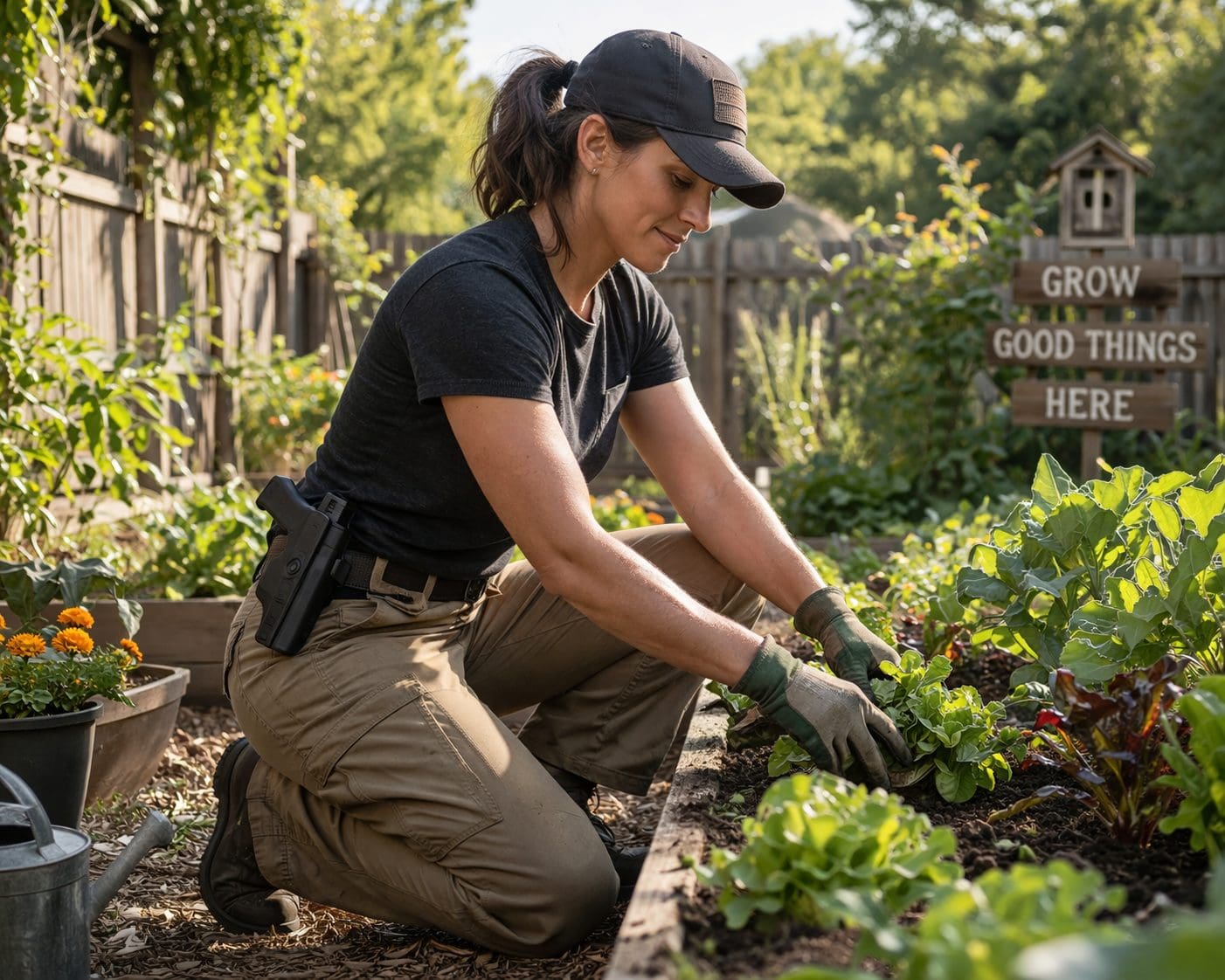
There’s an old proverb that says, “It’s better to be a warrior in a garden than a gardener in a war.”
At first, it sounds poetic — even dramatic — but within those words lies one of the most important lessons in personal defense: it is better to have the skill and never need it, than to need it and not have it.
The Warrior Mindset-Prepared, Not Paranoid
Being a “warrior” doesn’t mean living in fear or seeking conflict. It means cultivating readiness, awareness, and calm under pressure. A true warrior hopes for peace, values restraint, and understands that violence is always the last resort — but they also recognize that evil, chaos, and danger exist in the world. In contrast, the “gardener in a war” is someone caught unprepared when danger arrives. They’ve lived as if safety were guaranteed — and when reality proves otherwise, they have no tools, no training, and no time to learn.
Why Self-Defense Training Matters
Self-defense training — whether through martial arts, situational awareness, or firearms proficiency — is not about aggression. It’s about responsibility. It’s about taking ownership of your own safety and that of your loved ones. Training gives you more than technical skill; it gives you clarity and confidence when adrenaline surges and decisions must be made in seconds. The more capable you are, the less likely you are to panic — and the less likely you are to overreact. Preparedness turns fear into focus. Knowledge replaces uncertainty. And practice builds the discipline to make lawful, ethical, and effective decisions when it matters most.
For many people, concealed carry is the way they choose to be a “warrior in a garden” — a measured method of personal protection that requires competence, judgment, and responsibility.
-Not a status symbol, a readiness tool. Concealed carry should be seen as a last-resort defensive option, not something to display or test. The firearm's presence is a deterrent only if it never needs to be used; its real value is in the ability to respond effectively if all other options fail.
-Training and repetition are non-negotiable. Carrying without regular, scenario-based training and practice with your chosen holster, draw, and re-holster process creates more risk than safety. Muscle memory, malfunction drills, and shooting under stress are essential.
-Gear and safe access. Choose a holster and carry method that prevents accidental access and allows safe, reliable retrieval under stress. Practice how you will access the firearm while seated in a car, bending, or interacting with family members nearby.
-Legal readiness. Know the laws where you live and where you travel — use of force standards, reporting requirements, and the legal aftermath. Have a plan for immediate legal counsel and document preservation after any defensive incident.
-Mindset and decision-making. The concealed carrier’s priority is avoidance and de-escalation. Using a firearm — even lawfully — changes lives. The carrier must be prepared mentally for the consequences and the judgment calls required in a split-second.
-Home and family considerations. If you carry, understand how that affects interactions with children, guests, or intimate partners. Provide safety training for everyone who lives with you. Adopt strict storage protocols at home and never leave a loaded firearm accessible to unauthorized people.
-Aftercare and accountability. Carrying involves responsibilities beyond the moment: immediate first aid, notification to authorities, cooperating with lawful investigations, and seeking legal and mental-health support.
Concealed carry can embody the proverb’s spirit when it’s paired with humility, training, legal knowledge, and a commitment to de-escalation. It converts readiness into an actionable — and responsible — protective layer for peace.
Strength with Restraint
A true self-defense mindset values control over force. The warrior trains not because they want to fight, but because they understand the cost of violence. The goal isn’t to win a fight — it’s to avoid one whenever possible.
The more skilled you are, the more confident you become in walking away. You don’t have to prove anything, because you know what you’re capable of if peace fails.
The Garden — Living Prepared in Peace
We live most of our lives in the “garden.” The home, the job, the grocery store, the quiet evening with family. That’s how it should be. But the garden isn’t always safe. Crime happens close to home, and emergencies rarely announce themselves in advance. Choosing to train — to prepare — ensures that you can protect that peace when it’s threatened.
The Legal and Moral Balance
True self-defense is rooted in law, ethics, and accountability. Every responsible citizen who trains for defense should also study the laws of their state, understand the justifiable use of force, and mentally rehearse the decisions they might have to make. Owning a tool of defense — whether it’s a firearm, a blade, or your own fists — carries both power and burden. Training reminds us that self-defense isn’t about taking life; it’s about preserving it.
Conclusion — Prepared for Peace
“It’s better to be a warrior in a garden than a gardener in a war” reminds us that peace is not a guarantee — it’s a privilege protected by those willing to stand ready when it’s threatened. Train your mind, your body, and your judgment. Live peacefully, but prepare purposefully. Because when danger comes — and it often comes suddenly — it’s far better to have the strength and discipline of a warrior tending a garden than to find yourself a gardener wishing you’d trained to fight.
The below links are affiliate links. We take pride in making product/service recommendations which we have vetted and use ourselves. If you make a purchase after clicking one of these links, we earn a small commission at no expense to you.